

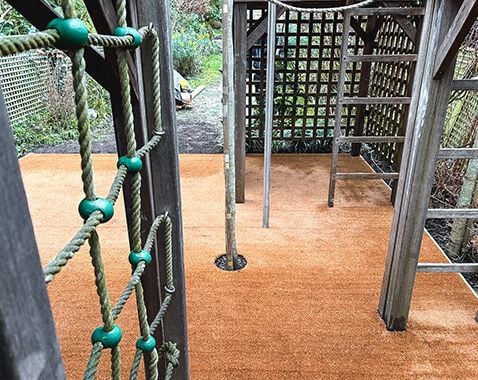
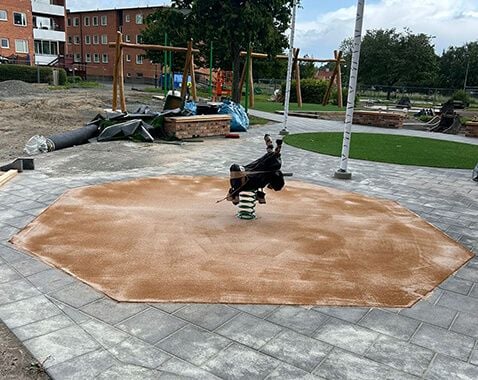
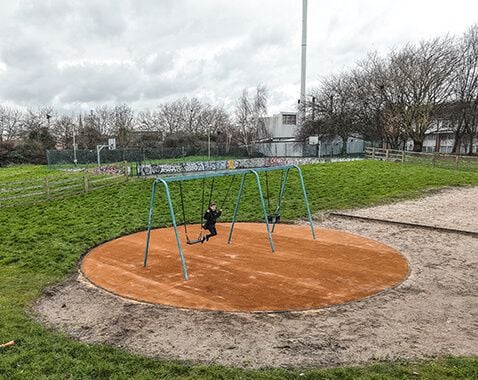
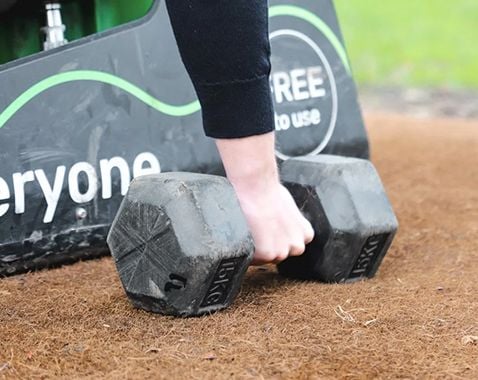
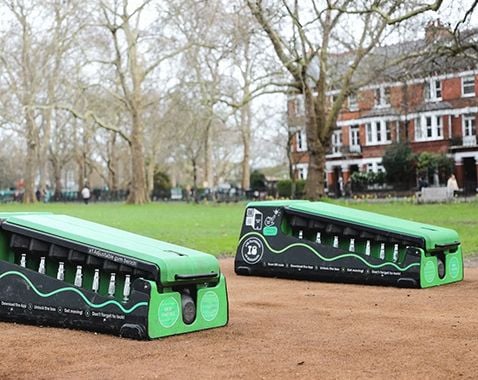
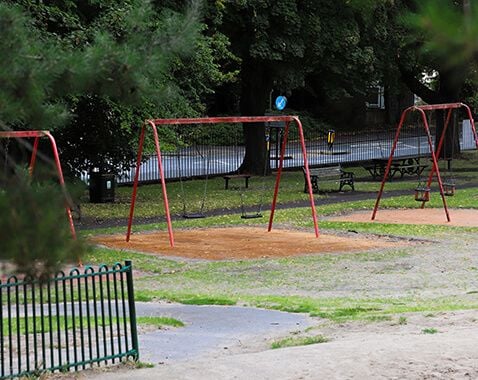
CocoTurf is the world’s first non-plastic artificial grass, specifically engineered for playgrounds and cricket facilities using 100% natural materials. While traditional synthetic turf relies on plastics, CocoTurf utilises organic fibres, a sustainable byproduct of coconut husks, anchored by a certified natural rubber latex backing.
CocoTurf
THE 100% NATURAL CHOICE FOR PLAY & CRICKET SURFACING
ZERO PLASTIC & PFAS POLLUTION
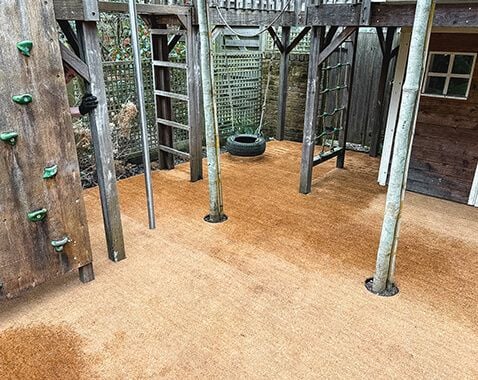
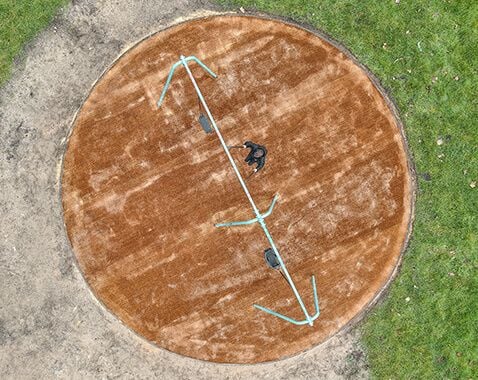
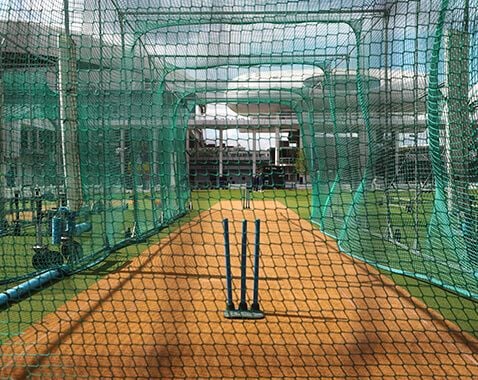
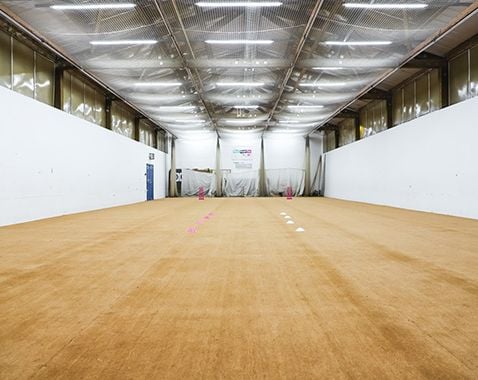
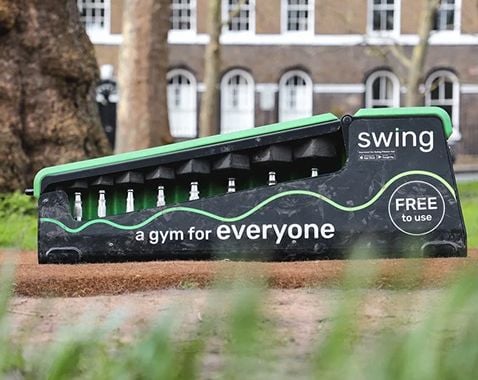
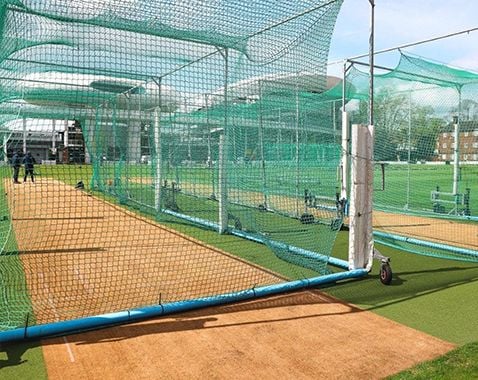
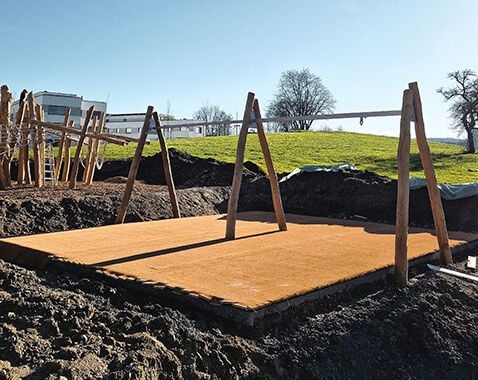
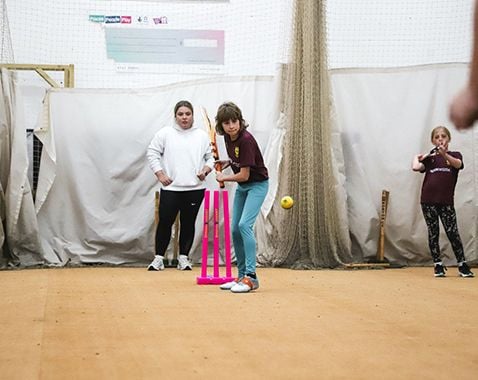
CocoTurf
Sustainable, Microplastic-Free Surfacing for Modern Recreational Spaces
Why Specify CocoTurf?
Surface Designs is committed to providing eco-friendly solutions that don't compromise on performance. CocoTurf offers a durable, safe, and environmentally responsible alternative to traditional synthetic surfacing, making it the ideal choice for councils, schools, and landscape architects focused on sustainability.

Zero Microplastic and PFAS Pollution
As global regulations tighten around synthetic polymers, CocoTurf provides a future-proof solution. It is entirely free from microplastics and PFAS, ensuring a non-toxic surface that protects both the users and the surrounding local ecosystem.

100% Natural & Non-Toxic
Crafted from organic coconut husk and natural rubber, CocoTurf eliminates the need for the harmful chemicals often found in petroleum-based synthetic grass. It provides a naturally safe environment for children and athletes.

A Core Commitment to Sustainability
By repurposing coconut husks—a common byproduct of the coconut industry- CocoTurf supports circular economy practices and sustainable farming. The product is biodegradable, significantly reducing the environmental footprint at the end of its lifecycle.

Durable Performance & Safety
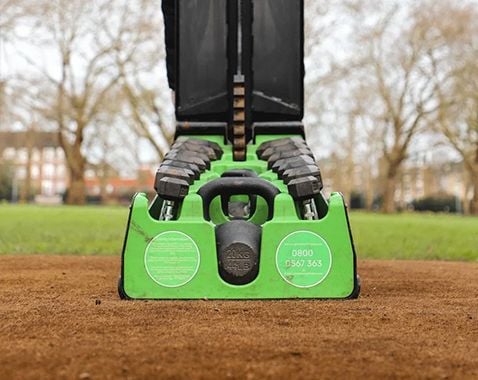
When integrated with an impact attenuation system, the surface provides a soft, cushioned finish that exceeds safety requirements for fall impacts. Its resilient construction is designed to withstand high-traffic recreational use while maintaining a natural feel underfoot.

Advanced Thermal Comfort (Low Heat Refraction)
Safety in the Australian climate is paramount. In independent heat testing (FIFA Test Method 14), CocoTurf recorded a surface temperature of just 52.4°C—significantly lower than traditional artificial turfs, which can reach upwards of 69.8°C. This reduction in heat retention ensures the surface remains comfortable even on hot days.

Eco-Friendly Installation & Drainage
CocoTurf is designed for efficient installation without the need for harmful adhesives or complex synthetic binders. Its natural composition allows for superior permeability, ensuring proper drainage and preventing water stagnation.

Seamless Natural Aesthetics
With its earthy tones and organic texture, CocoTurf blends effortlessly into parks, gardens, and natural landscapes. It offers a sophisticated, professional aesthetic that enhances the visual appeal of any outdoor project.
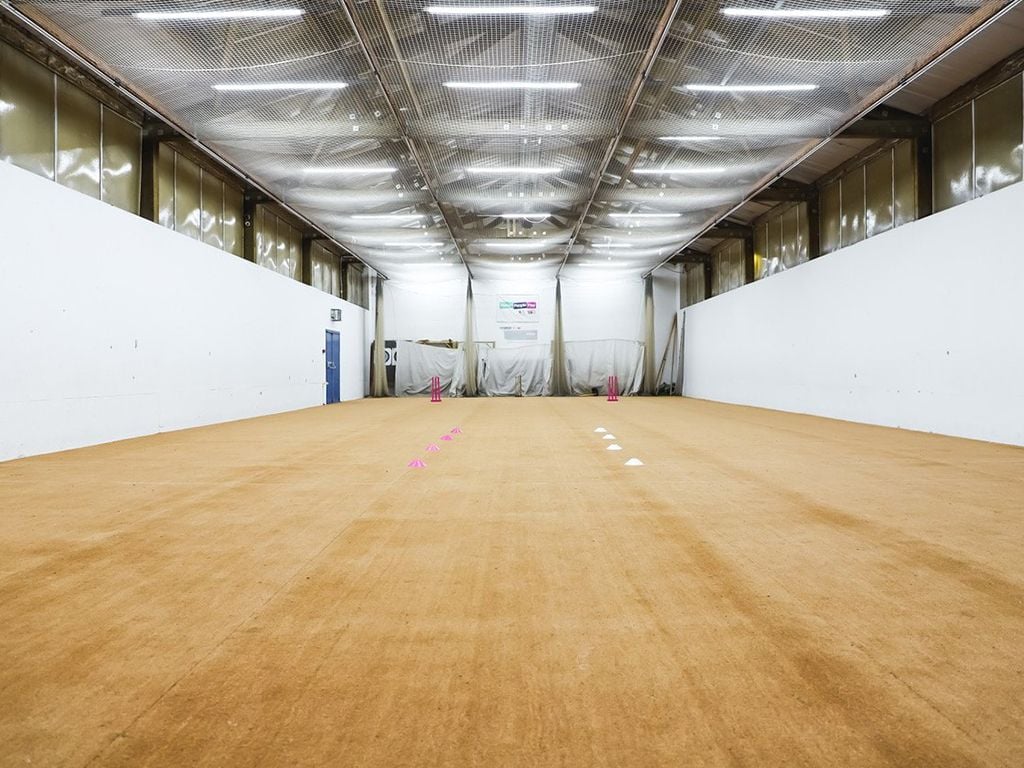
CocoTurf for Indoor Sports Centres
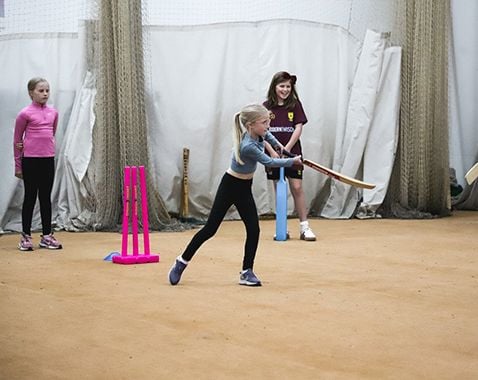
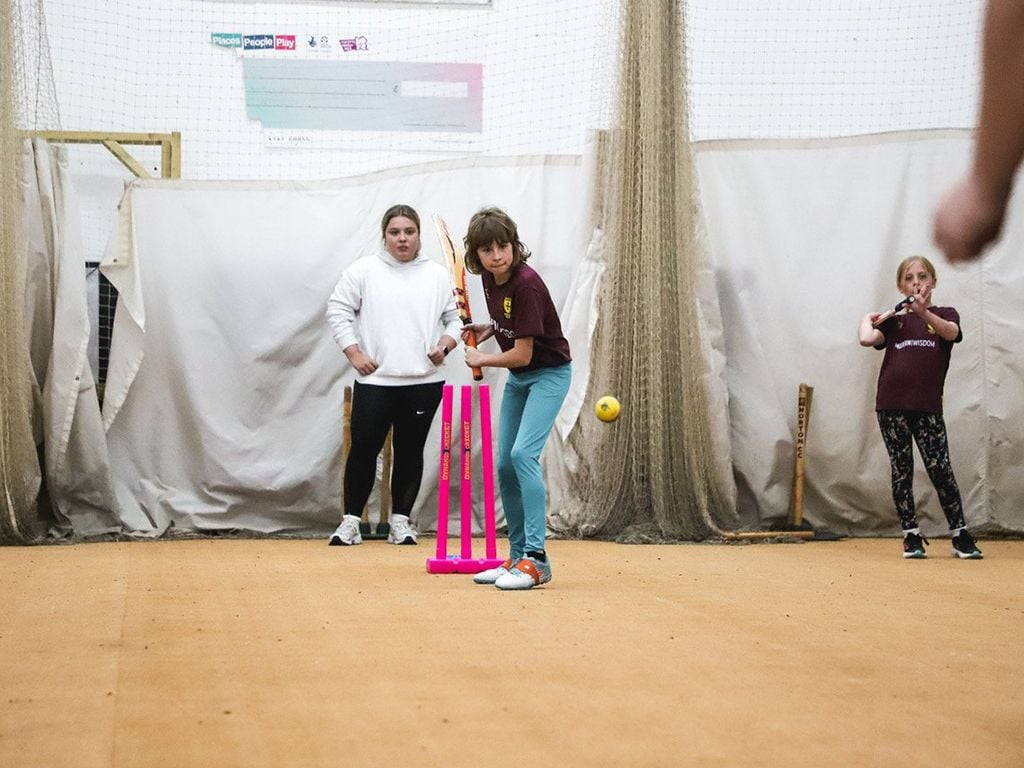
CocoTurf is an ideal surfacing solution for indoor sports centres, delivering a natural playing experience while supporting sustainability and long-term durability.
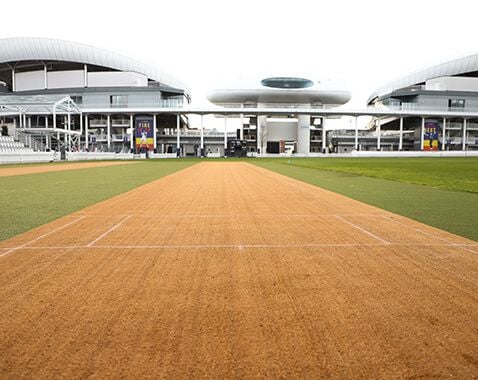
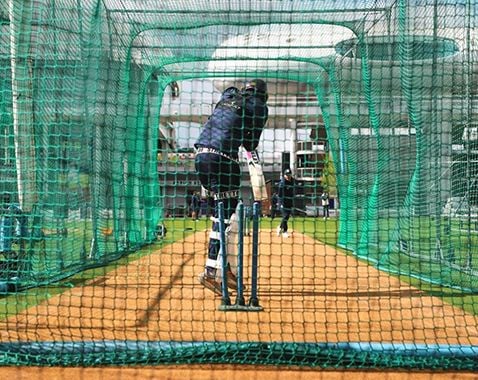
Suitable for indoor cricket, indoor soccer, indoor netball, and multi-purpose training facilities, CocoTurf combines performance with environmentally responsible design.
Developed using renewable coconut fibres and natural materials, CocoTurf provides a softer, more natural alternative to traditional synthetic surfaces. Its durable construction is designed to withstand high-traffic recreational and sporting environments while maintaining comfort and playability for athletes of all ages.
Ideal Applications
- Indoor Cricket Facilities
- Indoor Soccer Centres
- Indoor Netball Courts
- Multi-Purpose Training Venues
- Community & Recreation Centres
Why Choose CocoTurf for Indoor Facilities?
- Sustainable coconut fibre surface
- Natural playing feel underfoot
- Durable for high-use sporting environments
- Reduced microplastic and PFAS pollution
- Comfortable surface for training and recreational use
- Suitable for junior and community sports programs
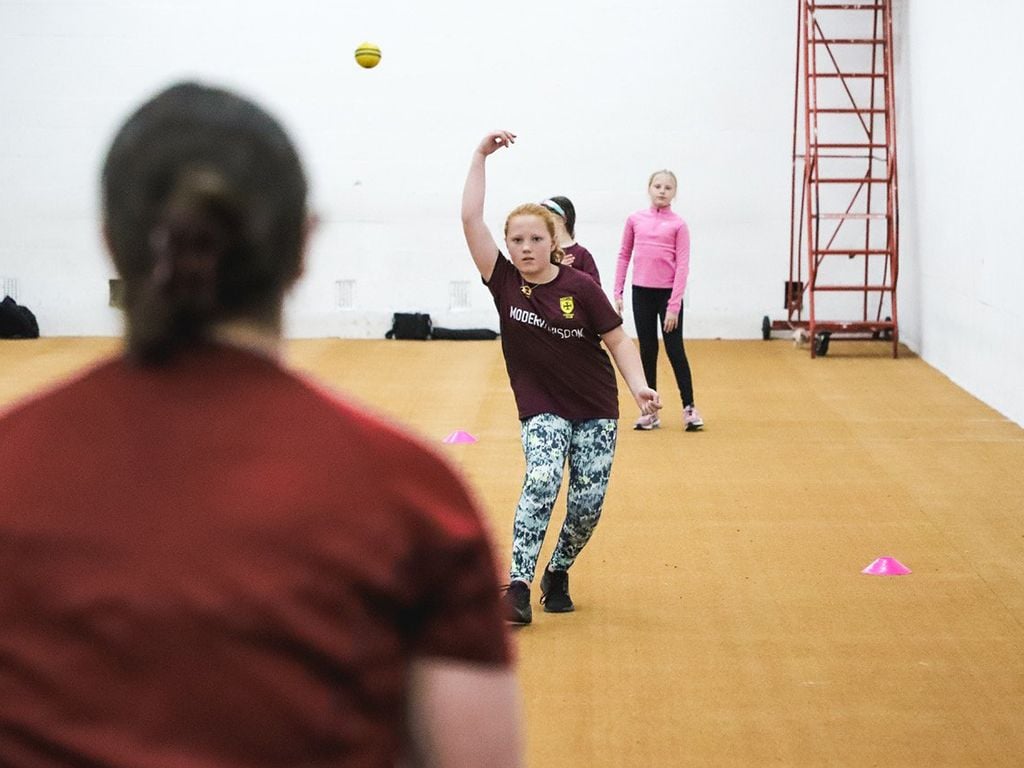
CocoTurf helps create modern indoor sporting environments that balance performance, safety, and sustainability while providing an attractive natural finish for players and visitors alike.
Frequently Asked Questions
What is CocoTurf made from?
CocoTurf is made using natural coconut fibres and renewable materials, providing a more environmentally responsible alternative to traditional synthetic turf surfaces.
What types of facilities is CocoTurf suitable for?
CocoTurf is suitable for a wide range of applications including indoor cricket centres, indoor soccer facilities, indoor netball courts, playgrounds, recreational areas, schools, and multi-purpose sporting venues.
What are the environmental benefits of CocoTurf?
CocoTurf is designed to reduce the use of plastics, microplastics, and harmful chemicals commonly found in traditional synthetic turf products. The use of coconut fibres provides a more sustainable and natural surfacing solution.
Is CocoTurf durable for high-traffic areas?
Yes. CocoTurf is designed for durability and is suitable for high-use recreational and sporting environments while maintaining comfort and performance underfoot.
Is CocoTurf safe for children and sporting facilities?
CocoTurf is made from natural, non-toxic materials and is designed to provide a safe and comfortable surface for sporting and recreational use.
Can CocoTurf be installed indoors?
Yes. CocoTurf can be used within indoor sports and recreation facilities including cricket training centres, indoor soccer venues, and other multi-purpose sporting environments.
Is CocoTurf easy to maintain?
CocoTurf is designed to be low maintenance while still providing a natural appearance and durable performance for commercial and recreational facilities.
How can I enquire about CocoTurf?
To learn more about CocoTurf or discuss your project requirements, please contact the Surface Designs team.
Phone: 02 9986 2445
Website: Surface Designs
Contact Page: Contact Surface Designs
ZERO Plastic & PFAS Pollution
Transform your next project with a surfacing solution that respects nature without compromising on quality.
For more information, visit the EU Commission regulation (EU) 2023/2055